Modern businesses depend heavily on mobile devices to gather information, automate processes and drive smarter operations. It can be overwhelming to manage a growing fleet spread across several locations. The operation of devices requires constant technological expertise and focus. From security compliance to performance optimization and software updates, they all require continuous focus. Managed services that are structured can to make the process simpler.
Many organizations begin by searching for free Raspberry device management software in order to save money in the beginning. While these free programs can provide simple monitoring capabilities and remote access, they do not provide the comprehensive lifecycle management needed for enterprise-level deployments. As devices expand businesses need more than dashboards and manual control. They need an integrated network that manages the provisioning process, security, performance monitoring, and compliance reports automatically and effectively.
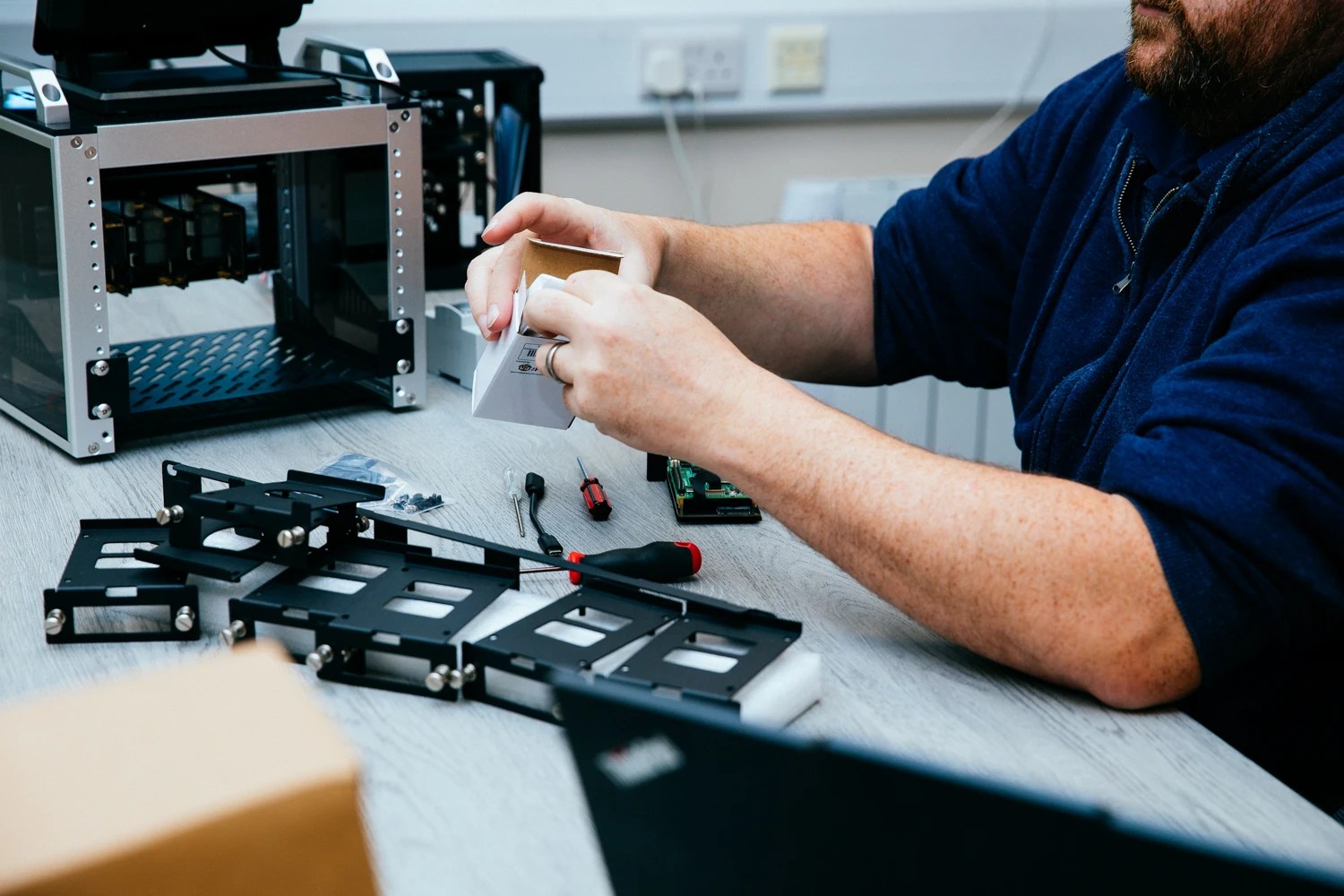
A properly managed infrastructure can take the day-to-day operational load from internal teams. Companies can focus on growth and innovation instead of troubleshooting, patching and responding to downtimes. Every device is set up for deployment, maintenance, and configuration under a unified framework that guarantees consistency and reliability. This operational model will not only cut down on downtime, but also eliminates security flaws which are usually caused by unplanned updates or incorrect configurations.
A Partnership Model Built to Scale
IoT ecosystems do not always work when built in isolation. They require an intelligent architecture and constant improvement. An experienced Raspberry Pi partner with experience in the field will ensure that the hardware, software and the system’s architecture are in line with the operational objectives. Instead of treating the deployment as a once-in-a-lifetime project this partnership creates a flexible foundation that grows as the company grows.
Each managed service arrangement is adapted to the particular client’s needs that includes devices management, hardware integration platforms, and technical support in a single operational agreement. This unification process eliminates the fragmentation of service providers and makes communication easier. Business owners can now have identified technical contacts, clearly agreed service level agreements and clear reports that keep everyone updated.
The provisioning and configuration process is designed to guarantee uniformity across all locations. Each device is tested and assembled. It is then registered to ensure consistent performance. Continuous telemetry provides engineers with real-time analysis of the device’s health and stability. This allows them to avoid system failures and spot issues before they get out of hand.
Operational Excellence Through Continuous Management
The most important factor to ensure stabilization of an IoT environment is proactive maintenance, not reactive troubleshooting. Patches and updates are monitored to ensure that operating systems and applications remain secure and stable. To ensure no interruptions and keep the availability of your system, updates are rigorously test prior to their deployment.
Compliance requirements are also integrated into the workflow of operations. The reporting processes are aligned with the requirements of regulatory agencies. This structured oversight eases stress during audits and increases security measures.
The benefit of managed services can be increased by performance optimization and planning. Regular system assessments identify opportunities for upgrades to hardware, improvements in energy efficiency and workload balance. The infrastructure isn’t just one-time measure, but a strategic one that evolves with organizational development.
Seamless Integration Cloud and Edge Technologies
Modern deployments require a tight integration of hardware at the edge with cloud ecosystems. Expert Azure IoT consulting helps businesses connect devices securely to cloud platforms while optimizing data pipelines, analytics workflows, and automation capabilities. This synergy of physical infrastructure and cloud intelligence allows for better decisions and better operational agility.
Professional IoT consulting also ensures that monitoring platforms, security protocols, and data governance frameworks work together. Engineers keep track of system performance 24/7 and take action to detect anomalies prior to them disrupting operations. The ability to scale support options lets companies expand in confidence, knowing the technical know-how of engineers will grow in tandem with the device fleet.
In simplest terms, the goal is to make advanced edge systems appear effortless. Scaler PI makes it much easier for advanced edge technology to be utilized through the combination of practical hardware experience and modern cloud innovation. This creates a smooth and unified environment in which devices can seamlessly work with data and operations.
An easier way to Manage Device Infrastructure
Managed service provides a single point for accountability for design, hardware and monitoring. Budgeting is more predictable and less surprises while automated updates and constant monitoring reduce operational risks. Companies can be confident that their infrastructure is compliant and performing optimally.
As IoT ecosystems expand in size, the need to have reliable operational frameworks becomes critical. A managed service will ensure that networks for devices are safe, efficient and future-ready. This allows organizations to create new products and services without being hindered by the management of infrastructure.
